Bioinformatician · Chief Information Officer, iBOL
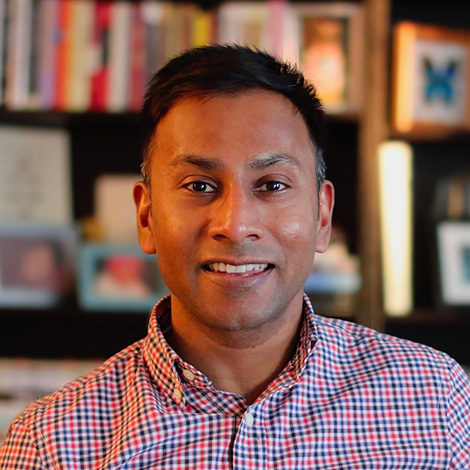
Sujeevan Ratnasingham
Centre for Biodiversity Genomics, University of Guelph, and the International Barcode of Life Consortium.
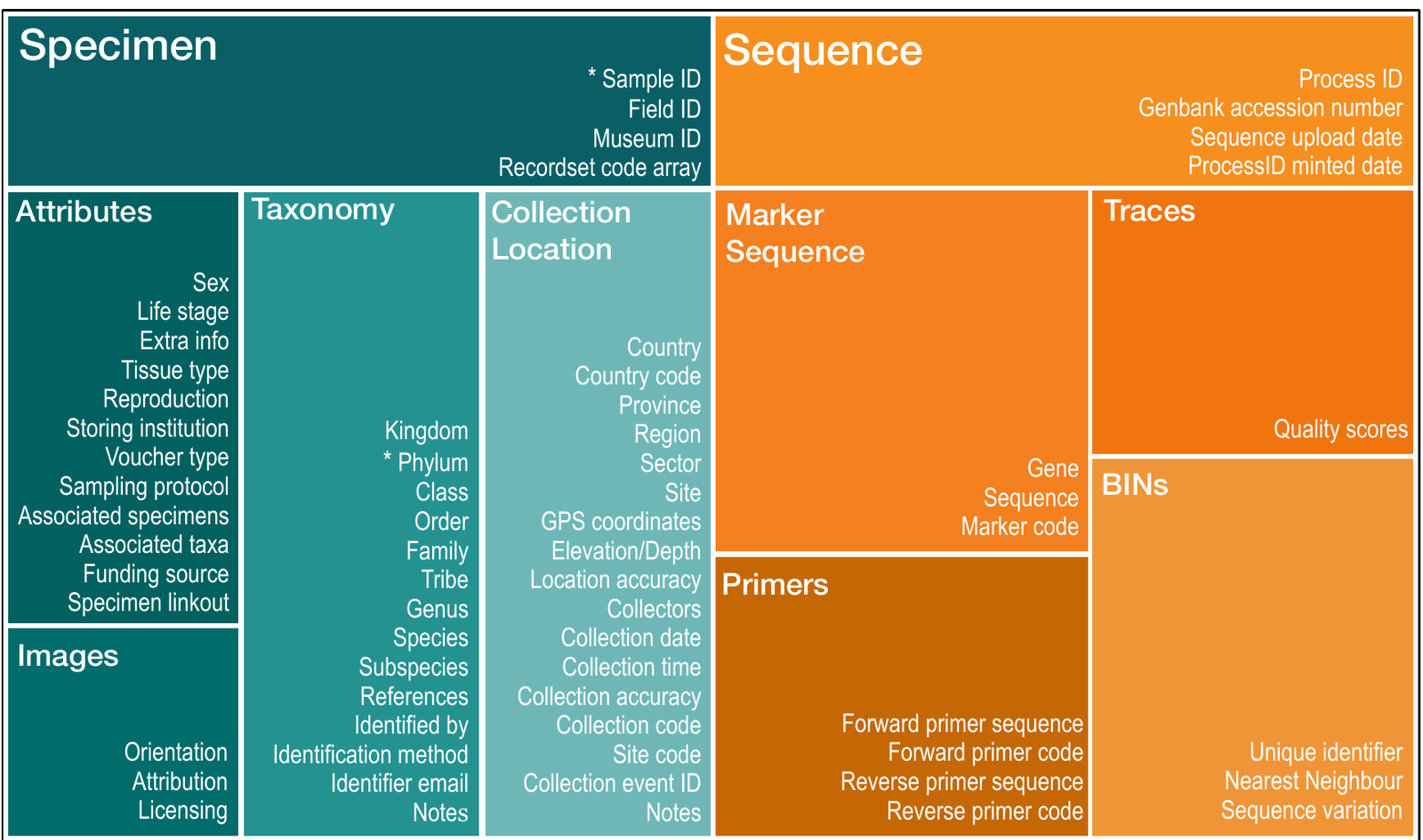
I am a bioinformatician working on the data infrastructure of biodiversity science. I came to biology from computer science, joining Paul Hebert's laboratory at the University of Guelph in 2000, as DNA barcoding was being formulated. Since then I have designed and built the informatics systems on which the field runs: BOLD, the Barcode of Life Data System (2005), which now holds more than 25 million barcode sequences from over one million species; the Barcode Index Number (BIN) system (2013), an algorithmic registry for species; and mBRAVE (2017), a platform for the analysis of metabarcoding data against these reference libraries.
My research interests are in biodiversity data infrastructure and standards, machine learning for taxonomic inference from sequence and image data, metabarcoding-based biomonitoring, and, most recently, knowledge graphs and governed AI systems that make institutional biodiversity data queryable with provenance intact. I am Chief Information Officer of the International Barcode of Life Consortium, Adjunct Faculty in the Department of Integrative Biology at Guelph, and founder of Biolytica, through which the LifeScanner and BIO·NEXUS platforms are developed for applied and regulatory use.
I work closely with colleagues at the Centre for Biodiversity Genomics, the Guelph Machine Learning Research Group (Graham Taylor), the BIOSCAN programme, and the Map of Life team at Yale. In 2010 I received the Ebbe Nielsen Prize from GBIF for the development of BOLD.
Detailed information is on the Research, Software and Publications pages; a summary CV is here.
University of Guelph, 50 Stone Road East
Guelph, Ontario N1G 2W1, Canada
Email: sujeevan@ratnasingham.com · sratnasi@uoguelph.ca
ORCID: 0000-0002-3694-0171 · Google Scholar · GitHub · LinkedIn
Google Scholar, September 2026